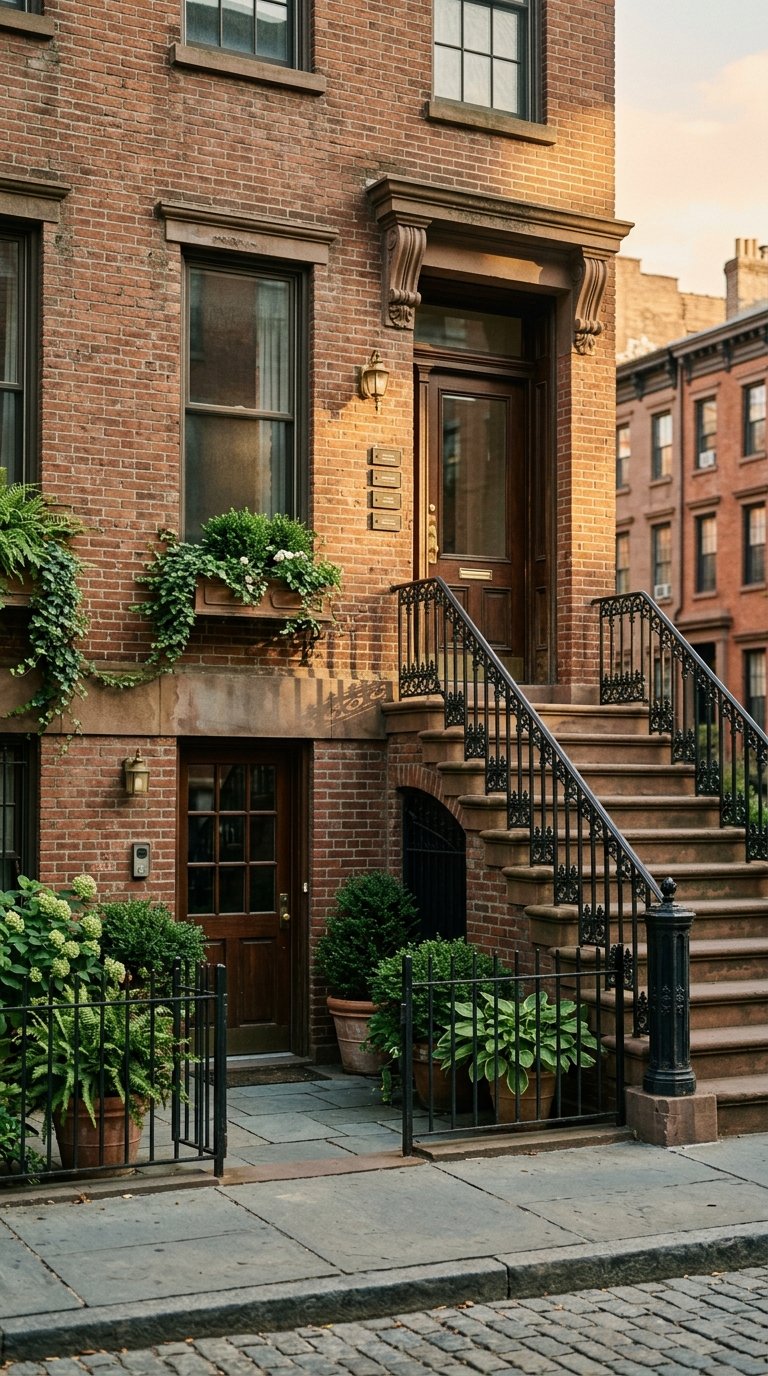
Thinking about buying in Queens but worried about the monthly payment? House hacking can be one of the most practical ways to get into the market if you want to live in the property and use rental income to help offset costs. In a borough with a large renter population, strong advertised rents, and a wide mix of two- and three-family homes, Queens gives live-in buyers real options, but only if you focus on legal layouts and solid due diligence. Let’s dive in.
Why Queens fits house hacking
Queens stands out because the renter market is deep. Census QuickFacts lists 922,998 housing units in Queens County, with a 44.9% owner-occupied rate and a median gross rent of $1,915. That means more than half of occupied housing is renter-occupied, which matters when you are counting on demand for a legal rental unit.
Recent market data points in the same direction. NYU Furman Center reports that 28.0% of Queens renter households were severely rent burdened in 2024, and StreetEasy’s May 2026 market report shows a Queens median asking rent of $3,350. That same report also showed 4,380 homes for rent and an 11.2% year-over-year drop in rental inventory, which suggests tighter supply than a year earlier.
If you are looking at live-in ownership, that renter demand can be meaningful. It does not guarantee your unit will lease instantly or at top dollar, but it does support the basic house-hacking idea: buy a property, live in one unit, and rent the others to reduce your out-of-pocket housing cost.
What house hacking means in Queens
For most buyers in Queens, house hacking usually means purchasing a legal two-family or three-family home, living in one unit, and renting out the remaining unit or units. In some cases, buyers also consider a home with space for an accessory dwelling unit, often called an ADU, but that path is more conditional.
The cleanest option is often a property that is already set up for multi-unit use. When a building has clear unit separation, separate entrances, and a legal certificate of occupancy that matches the actual layout, you start from a much stronger position. That can reduce surprises after closing and make the property easier to finance, insure, and manage.
Best property types for live-in buyers
Legal two-family homes
A legal two-family home is often the simplest entry point for a live-in buyer. You occupy one unit and rent the other, which can help offset your mortgage, taxes, insurance, and maintenance. This setup can also feel more manageable if you are becoming a landlord for the first time.
Queens has current two-family inventory across different price points. StreetEasy examples include a $649,900 two-family in Jackson Heights and a $1.35 million two-family in Woodside. That range shows why your search should stay focused on layout, legality, and carrying costs rather than just headline price.
Legal three-family homes
A legal three-family can create a larger rent offset because you may have two rental units instead of one. That can be attractive if you want stronger income support while still living on site. It can also give you more flexibility if one unit turns over and the other stays occupied.
Current examples include a $1.148 million three-family in Middle Village, a $1.35 million three-family in College Point, a $1.795 million three-family in Astoria, and a $2.5 million three-family in Ditmars-Steinway. These listings show that Queens offers multiple house-hacking paths, from mid-range multi-family stock to higher-priced properties in strong rental areas.
ADU-style opportunities
Accessory dwelling units can sound appealing, especially if you already own a one-family home or are considering one with extra space. New York City HPD defines an ADU as a small independent unit on the same lot as a primary home, such as a basement apartment, garage conversion, backyard cottage, or attached addition.
Still, this is where many buyers need to slow down. NYC DOB states that adding an apartment in a basement, attic, or garage without permits is an illegal conversion. In practice, that makes a legal two-family or three-family home the more straightforward route for most Queens house hackers.
Queens neighborhoods to watch
Queens is a large borough, so neighborhood-level inventory matters. Current multi-family examples cluster in Astoria, Woodside, Jackson Heights, Middle Village, College Point, and Sunnyside. Those areas are natural starting points when you want to compare price, layout, and rental potential.
Astoria tends to come up often in house-hacking conversations because of its multi-family stock and advertised rents. Woodside can also draw attention for transit access, including current listing examples located within about 500 feet of the 7 train and roughly 0.29 miles from the LIRR. Access to transit does not guarantee rental performance, but it is a practical feature many renters value.
Middle Village is another area worth evaluating carefully because zoning can differ block by block. Jackson Heights, College Point, and Sunnyside can also offer useful inventory depending on your budget and unit needs. The key is to review each property on its own facts rather than assume every multi-family listing works the same way.
Why zoning matters first
Check the zoning district
In Queens, zoning is the gatekeeper. NYC Department of City Planning explains that residence districts vary by density and permitted building type, which means the same house-hack idea may be allowed on one block and not on another.
For example, the NYC Zoning Handbook notes that sections of Middle Village are in R4-1 districts that permit only one- and two-family detached and semi-detached houses. By contrast, an Astoria listing at 3-08 26th Avenue was in an R6 zoning district, showing that some Queens blocks are more permissive for multifamily use.
Verify legal use
Before you count any rental unit as income, confirm the building’s legal use and certificate of occupancy. NYC DOB’s Buildings Information System can be used to check the legal use of the building and its Certificate of Occupancy. This step is essential if a layout looks different from the listing description or if lower-level space is being presented as an apartment.
A property may function like a multi-family in everyday use but still fall short on legal status. That gap can affect financing, insurance, resale, and your ability to rent the space lawfully. For live-in buyers, this is one of the most important checks in the entire process.
How rental offset can look
House hacking works best when you view rent as an offset, not a promise. Public listing examples in Queens show why buyers are interested, but they also show why careful math matters.
A three-family at 30-57 14th Street in Astoria was last listed at $1,175,000 and showed a StreetEasy estimated payment of $6,284 per month. Current Astoria one-bedroom rentals on StreetEasy included asking rents of $2,900, $2,930, $4,005, and $4,600. If two units rented within that range, the gross rent could roughly fall between $5,800 and $9,200 per month before vacancy, maintenance, utilities, and lender-specific costs.
A second example comes from College Point. A three-family at 119-49 6 Avenue was listed at $1,350,000 with a StreetEasy estimated payment of $6,826 per month, while nearby Flushing two-bedroom rentals were listed at $2,950, $3,250, $3,758, and $4,100. With Queens’ borough-wide median asking rent at $3,350 in May 2026, you can see how two rental units may offset a large share of ownership cost, but not always all of it.
What affects your true monthly cost
Even a strong rental setup needs conservative underwriting. Your real monthly cost depends on several moving parts, not just the listing payment estimate.
Key factors include:
- Down payment
- Mortgage rate
- Property taxes
- Insurance
- Repairs and upkeep
- Utilities
- Vacancy between tenants
- Financing terms for a 1 to 4 unit property
Financing conditions can shift quickly. Freddie Mac’s average 30-year fixed rate was 6.49% on June 25, 2026, which is a reminder that affordability can change even when the property price stays the same.
Financing basics for owner-occupants
If you plan to live in the property, ask your lender which loan programs apply to 1 to 4 unit homes. The research report notes that FHA down payments can be as low as 3.5% on 1 to 4 unit properties, subject to program rules. That may make a multi-family purchase more reachable than some buyers expect.
Still, program eligibility is only one piece of the picture. You need to understand how the lender will treat projected rent, reserve requirements, and the property’s legal unit count. A legal layout and clear documentation often make this conversation much easier.
Tax and planning points to know
Rental income is not free money, and it should not be treated casually. The research report notes that rental income is taxable, and expenses such as maintenance, insurance, taxes, and interest are generally deductible. If the property has mixed personal and rental use, expenses need to be allocated between those uses.
That is why it is smart to speak with both a lender and a tax professional before you rely on projected rent. The goal is not just to qualify for the purchase. It is to understand what ownership will really look like after closing.
A smart Queens house-hacking checklist
Before you make an offer, focus on the items that matter most:
- Confirm whether the home is a legal one-, two-, or three-family
- Check the zoning district for the property
- Review the certificate of occupancy and legal use
- Make sure unit separation and entrances are practical for live-in ownership
- Compare asking rents for similar unit types nearby
- Estimate repairs, utilities, and ongoing maintenance
- Ask your lender how rental income may be counted
- Talk with a tax professional about mixed-use expense allocation
This kind of process protects you from building your budget around a unit that may not be legal or a rent number that may not hold up. It also helps you shop with more confidence in a competitive borough.
Why a practical approach wins
In Queens, the strongest house-hacking strategy is usually simple: start with legal two- and three-family homes, treat ADUs as a conditional option, and run conservative numbers. The borough’s large renter base, current advertised rents, and broad multi-family inventory create real opportunity, but the best results usually come from careful property selection rather than aggressive assumptions.
If you want help evaluating multi-family opportunities in Queens, comparing live-in options, or understanding how a property may fit your goals, NMG Properties Inc brings a hands-on, neighborhood-focused approach to buying and marketing residential property across the outer boroughs.
FAQs
What is house hacking for a live-in buyer in Queens?
- House hacking in Queens usually means buying a legal two-family or three-family property, living in one unit, and renting the other unit or units to help offset ownership costs.
Which Queens property type is usually best for house hacking?
- For many buyers, a legal two-family or three-family home is the most straightforward option because the units already exist, the layout is easier to evaluate, and the legal use is often clearer than trying to create a new accessory unit.
Why does zoning matter for Queens house hacking?
- Zoning matters because permitted building types vary by district, so you should verify the zoning district and certificate of occupancy before assuming a rental unit is legal and usable as income.
Can you create a basement apartment for house hacking in Queens?
- Only if it is legal and properly permitted. NYC DOB states that adding an apartment in a basement, attic, or garage without permits is an illegal conversion.
Which Queens neighborhoods have multi-family options for live-in buyers?
- Current multi-family examples are clustered in Astoria, Woodside, Jackson Heights, Middle Village, College Point, and Sunnyside.
Can rental income fully cover your mortgage on a Queens house hack?
- Sometimes rental income may offset a large share of ownership costs, but the final result depends on the property, your financing, taxes, insurance, repairs, utilities, and vacancy.
What should Queens buyers verify before using rent projections?
- You should verify the legal unit count, certificate of occupancy, zoning, likely repair costs, nearby asking rents, and lender treatment of projected rental income before relying on rent to support your budget.