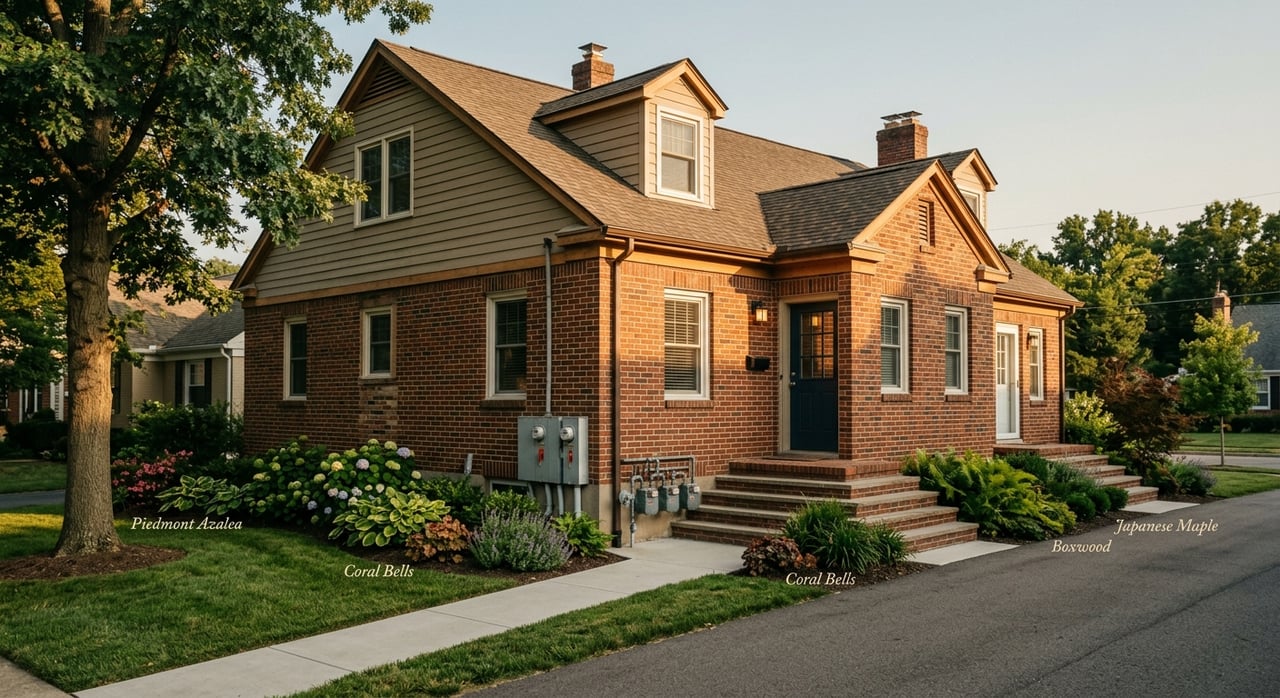
Thinking about buying a small multifamily in Suffolk County? You are not alone, and you are not imagining the challenge. Prices are high, competition is real, and the numbers can feel tight at first glance. Still, 2 to 4 unit properties can offer a practical way to enter the market, build rental income, and create a long-term hold in an area with steady housing demand. If you want a clearer picture of how to start, what to watch, and where the risks usually hide, this guide will walk you through it. Let’s dive in.
Why small multifamily stands out in Suffolk
Small multifamily properties sit in an interesting place in Suffolk County. They are often more accessible than larger apartment buildings, but they can still produce income from multiple units. That combination makes them appealing if you want to balance rental cash flow with a more manageable property size.
County planning documents also point to ongoing demand for rental housing. Suffolk’s 2025 to 2029 Consolidated Plan notes that the housing stock is still mostly single-family and owner-occupied, while demand remains strong for affordable multifamily rental units and a wider range of rental options. For you as a buyer, that helps explain why 2 to 4 unit properties continue to attract attention.
Suffolk pricing starts high
Before you even get to repairs, taxes, or leasing costs, entry pricing matters. Zillow reported a typical home value of $697,539 and a median sale price of $673,333 in Suffolk County as of March 31, 2026. Realtor.com described the county as a balanced market with about 5,400 homes for sale and a median list price of $849,000 in March 2026.
That backdrop matters because small multifamily purchases do not happen in a low-cost environment. You will likely need to underwrite carefully from day one. In Suffolk, a deal that looks promising on the surface can change quickly once you add local taxes, repairs, and realistic reserves.
What 2 to 4 unit listings show
Public listings show a wide spread in pricing across Suffolk County. Recent listings included a 2-unit in Kings Park for $999,999, a 3-unit in Huntington Station for $950,000, a 3-unit in West Sayville for $1,299,000, and several 4-unit properties from about $1.3 million to $1.5 million. Those examples show how much location, condition, and income profile can affect pricing.
The broader multifamily market also gives helpful context. Crexi’s Suffolk County multifamily overview listed 28 apartment and multifamily properties with an average price of about $3.07 million, an average price per square foot of $679, and a median cap rate of 5%. For a new investor, that tells you Suffolk is generally not a deep-discount market.
Cap rates need context
Cap rate is one of the first numbers many investors look at, but it only helps if you understand what is behind it. In Suffolk County, public listing data suggests that more stabilized properties often track closer to the countywide median cap rate. Smaller properties with vacancy, deferred maintenance, or added upside may show higher cap rates.
For example, one public listing in Central Islip showed a 4-unit property at a 7.50% cap rate. Another listing in Hampton Bays showed a legal 3-unit at $1,550,000 with net operating income of $110,022 and a 7.1% cap rate. Numbers like these can look attractive, but you still need to ask why the return appears higher and whether that upside is realistic for your plan.
Rent potential can support the story
Current rent snapshots help frame demand, even if they come from larger apartment communities instead of small houses. Apartments.com listings in Suffolk County show one-bedroom rents often starting around the high $2,000s, with many two-bedroom units above $3,000 and some three-bedroom offerings much higher. That does not mean your 2 to 4 unit property will match those rents, but it does show the market supports substantial monthly housing costs in many areas.
For you, the practical takeaway is simple. Rent assumptions should be rooted in real local comparisons, not wishful thinking. If a property is under-rented, there may be room for growth, but your underwriting should stay conservative and reflect the building’s actual condition, layout, and legal setup.
Start with a simple buy box
If you are getting started, it helps to narrow your search before you tour properties. A clear buy box saves time and keeps emotion from taking over the process. In a market like Suffolk, discipline matters.
Your buy box might include:
- Property type: legal 2-unit, 3-unit, or 4-unit
- Budget range: purchase price plus repair and reserve limits
- Target area: western Suffolk, central Suffolk, or East End submarkets
- Condition level: move-in ready, light value-add, or heavier rehab
- Income goal: current cash flow, long-term appreciation, or both
- Management plan: self-manage or hire support
When you know your lane, it becomes easier to compare opportunities instead of chasing every listing that hits the market.
Underwrite taxes parcel by parcel
Property taxes are one of the biggest reasons a Suffolk deal can surprise you. Suffolk County does not use a single countywide assessment office for all parcels. Each town sets its own property tax rate, and assessments are handled by town assessors.
That means you should verify taxes for each specific property instead of relying on a rough county average. Suffolk County notes that taxable status date is March 1, tentative rolls are published on or before May 1, and grievance day is the fourth Tuesday in May. The county also states that town, school, and county taxes cover December 1 through November 30, with the first half due by January 10 and the second half due by May 31.
For a small multifamily investor, that is not just administrative detail. It is core underwriting. Two nearby buildings can carry meaningfully different tax burdens, and that difference can change your projected return.
Expect older housing stock
A lot of Suffolk’s housing inventory is older, and that matters for both cost and planning. The county’s consolidated plan states that 73% of owner-occupied housing and 65% of renter-occupied housing was built before 1980. It also notes that many older homes need maintenance and rehabilitation.
In real terms, you should budget for more than cosmetic updates. Roofs, electrical systems, plumbing, windows, heating systems, and general deferred maintenance often play a major role in small multifamily ownership here. If the property was built before 1978, lead-paint concerns may also factor into rehab planning, as the county continues to prioritize lead-paint remediation in older homes.
Value-add is not just cosmetic
In Suffolk, a value-add plan often means improving operations as much as improving finishes. Some properties offer upside because rents are below current market levels. Others improve because owner-paid utilities can be reduced where legally and physically feasible, or because better documentation and maintenance reduce turnover and operating issues.
That is why it helps to think beyond paint and flooring. A newer legal multifamily with tenant-paid utilities may have a very different opportunity set than an older building with deferred maintenance. The smartest first-time investors usually look for value they can clearly explain, measure, and manage.
Know the basic rental rules
Landlord rules affect your numbers, so they should be part of your planning from the start. According to the New York State Attorney General, security deposits are capped at one month’s rent. For units that are not rent stabilized or rent controlled, the deposit generally must be returned within 14 days after the tenant moves out.
You should also be careful about making broad assumptions around Good Cause Eviction. New York State Homes and Community Renewal says it is mandatory in New York City and may apply outside the city only where a municipality has opted in. In Suffolk, that means you need to verify the rules for the specific town or village tied to the property.
A smart first-deal approach
If you are buying your first small multifamily in Suffolk, a measured approach often works best. You do not need a perfect property. You need a deal you can understand and operate well.
A strong first-deal process usually includes:
Set your investment goal Decide whether you want steady income, long-term appreciation, or a light value-add project.
Build a realistic budget Include purchase price, closing costs, repairs, taxes, insurance, and reserves.
Review current income carefully Confirm actual rents, lease terms, utility responsibility, and vacancy assumptions.
Study the tax picture Verify the parcel’s current tax bill and understand the local assessment process.
Inspect condition with discipline Pay close attention to major systems, not just surface finishes.
Check legal configuration Make sure the unit count and use align with the property’s legal status.
Plan your next 12 months Know how you will handle repairs, leasing, and ongoing operations after closing.
Why local guidance matters
Suffolk small multifamily investing is not only about finding a listing. It is about reading the local market correctly, understanding how town-level taxes affect the deal, and recognizing when a property’s upside is real versus just marketing language. That kind of work benefits from local experience and a practical eye on both numbers and neighborhood context.
If you are exploring a 2 to 4 unit purchase in Suffolk, working with a brokerage that understands Long Island multifamily stock can help you compare opportunities more clearly. A hands-on, neighborhood-focused approach is especially useful when you are weighing condition, pricing, rent potential, and long-term fit.
Whether you are looking for your first investment property or building a small portfolio, NMG Properties Inc can help you evaluate Suffolk multifamily opportunities with local market insight and practical guidance.
FAQs
What counts as a small multifamily property in Suffolk County?
- In this context, a small multifamily usually means a legal 2-unit, 3-unit, or 4-unit residential property.
Why do Suffolk County property taxes matter so much for small multifamily investing?
- Taxes are set and assessed locally, so the actual tax bill can vary significantly by parcel and can strongly affect your cash flow.
Are Suffolk County multifamily cap rates high for new investors?
- Public market data shows a countywide median cap rate around 5%, while some smaller or value-add properties may list in the upper 6% to 7% range.
What condition issues are common in older Suffolk County multifamily properties?
- Many properties were built before 1980, so buyers should watch for aging roofs, plumbing, electrical systems, windows, heating systems, and other deferred maintenance items.
Can Suffolk County small multifamily rents support an investment purchase?
- Current rent snapshots from larger apartment communities suggest strong monthly rent levels in many parts of Suffolk, but each 2 to 4 unit property should be underwritten based on its own condition, layout, and location.
What should a first-time Suffolk County multifamily investor verify before making an offer?
- You should confirm the legal unit count, current rents, lease terms, utility setup, property taxes, and major repair needs before moving forward.