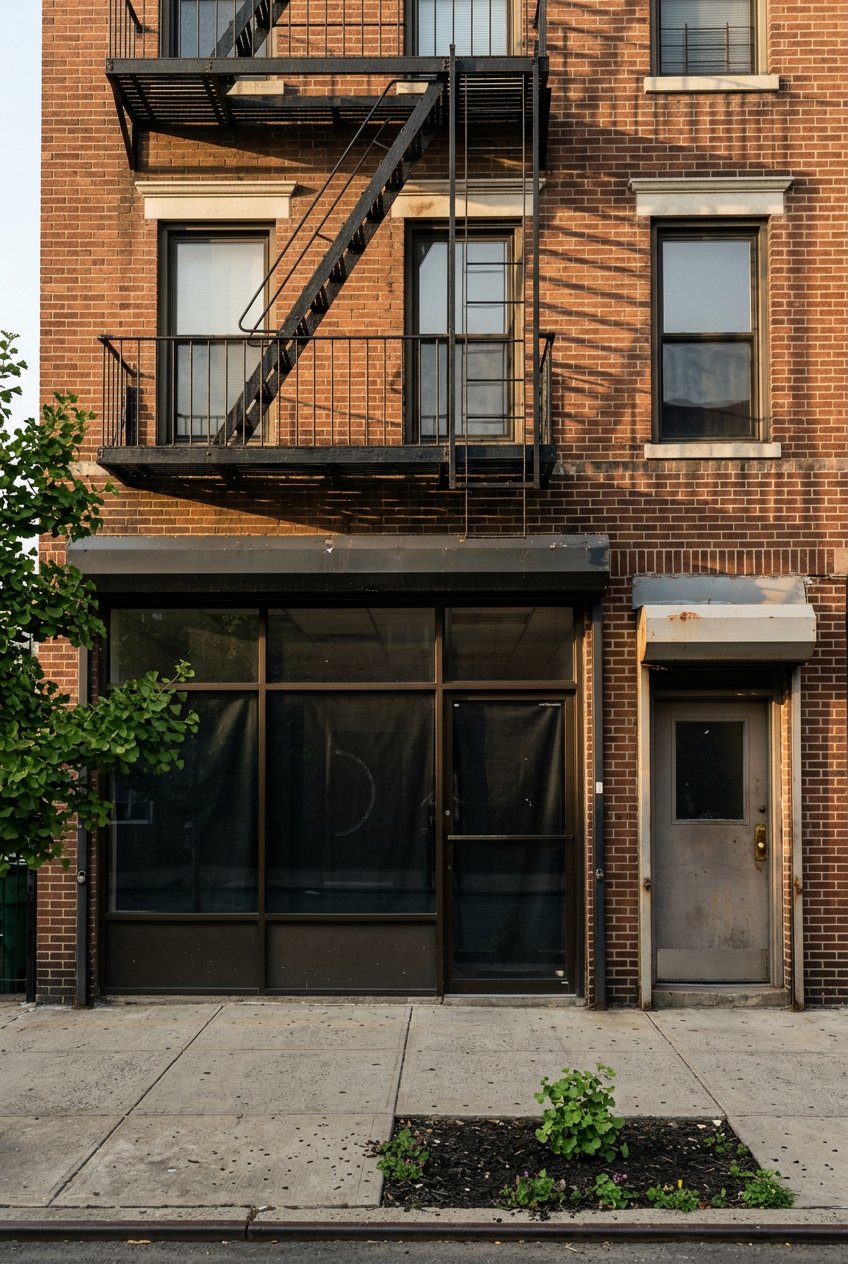
Thinking about buying a storefront with apartments above in Brooklyn? You are not alone. Mixed-use buildings can offer convenient living and meaningful income, but the rules are different from a standard home purchase. In this guide, you’ll learn what “mixed-use” means in NYC, what to check before you bid, how lenders view these properties, and the key trade-offs to consider. Let’s dive in.
What mixed-use means in Brooklyn
In New York City a mixed building typically combines ground-floor commercial space with residential units above. This pattern lines many Brooklyn corridors and transit streets. The NYC Department of Buildings explains how mixed commercial and residential uses are classified and how they are reviewed for code compliance. You can read their summary on mixed-use terms in the city’s Key Project Terms resource from the Department of Buildings.
Along many streets, NYC maps commercial overlays such as C1 or C2 on top of residential zones to allow local shops and services. These overlays shape where storefronts belong, what uses are allowed, and how buildings can be configured. Review the city’s Zoning Resolution overview of commercial overlays to understand what uses are permitted by right.
Who a mixed-use purchase suits
- Owner-occupants who want to live in an upstairs unit and offset the mortgage with rent from the shop and other apartments.
- Small investors seeking stable residential income plus potential retail upside on active corridors.
- Owner-operators who prefer to run a business on the ground floor and live above.
Your fit depends on your financing plan, comfort with commercial tenants, and whether you plan to occupy a unit. Think about your timeline, cash reserves, and risk tolerance.
Common Brooklyn building types
Typical forms you’ll see
- Small walk-ups or brownstones with one storefront and one to three apartments above.
- Three to six story walk-ups with one to three retail bays at grade and multiple units above, often near transit.
- Larger mid-rise buildings near major nodes or downtown Brooklyn.
Layout features that matter
Most buildings have a separate commercial bay with its own systems and a distinct residential entrance for the apartments. Some older properties share entries, but separate legal access is better for safety, privacy, and underwriting. Confirm the building’s legal use and access arrangements in city records using the Department of Buildings’ guidance on mixed-use and occupancy terms.
Basements and mezzanines often support the commercial use or house building systems. Be careful with basement apartments. If a dwelling space is not reflected in the Certificate of Occupancy, it may be illegal.
Fire and life safety basics
Mixed occupancies require proper fire separations, egress routes, and sometimes sprinklers. Any change of use, like adding apartments above a shop, generally needs Department of Buildings approvals and an amended Certificate of Occupancy. Learn how NYC classifies and reviews commercial mixed-use projects in its Key Project Terms.
If the storefront is or could be a restaurant, you will also need to understand kitchen hood and fire-suppression requirements and Department of Health permits. The NYC Business portal outlines the Food Service Establishment permit and related rules.
Zoning and legal checks
Zoning maps and overlays
NYC’s mapped districts combine residential zones with C1 or C2 commercial overlays along retail corridors. These rules determine what type of business can operate, building size limits, and sometimes parking. Review the Zoning Resolution’s article on commercial overlays and confirm the mapped district for your lot before you underwrite rent potential.
Certificate of Occupancy
A valid Certificate of Occupancy documents the legal use of each floor. If the current use does not match the CO, you face risk at closing, with lenders, and with future permits. Any conversion from residential to retail or vice versa typically requires a new or amended CO.
Quick records check you can do now
- Confirm recorded deeds, mortgages, and liens using the city’s ACRIS system.
- Review the Department of Buildings’ DOB NOW and BIS records for Certificate of Occupancy history, permits, violations, and any stop-work orders.
- If apartments might be regulated, request rent registration records from New York State Homes and Community Renewal to verify rent-stabilization status and legal rents.
Financing and taxes
Owner-occupied 1–4 unit pathways
If you plan to live in a unit and the building is one to four units, some residential programs may work. FHA loans can insure owner-occupied mixed-use properties when at least 51 percent of the building’s square footage is residential and the commercial activity does not harm health or safety. Review HUD’s single-family program guidance.
VA loans typically require the nonresidential area to be clearly subordinate, often cited around 25 percent of total floor area. Check your lender’s overlays and the VA lender references to confirm current criteria.
5+ units and investor loans
For buildings with five or more residential units, agency lenders limit how much commercial income they recognize. Fannie Mae’s Multifamily Guide treats commercial income conservatively and applies caps. If the commercial share is larger, you will likely use a mixed-use or commercial loan with DSCR underwriting, higher down payments, and shorter terms. Freddie Mac programs also limit commercial income recognition; speak with lenders about current caps and exceptions.
Property tax class
NYC taxes property by class. Mixed-use lots can be assessed differently depending on the dominant use, which affects your tax rate and valuation method. Pull the Department of Finance definitions and review the building’s tax class history early in your underwriting.
Income, tenants, and regulation
Rent-stabilized apartments
Many pre-1974 apartments or units connected to certain tax benefits may be rent-stabilized. Stabilization limits rent increases and can reduce short-term upside. Request the registered rent history from HCR and confirm legal rents before you price a deal.
Commercial tenant risk
Not all storefronts are equal. A long-term credit tenant can anchor value, while a small retailer or restaurant may offer higher rent but also higher risk. Restaurants need Department of Health permits and specialized systems like exhaust hoods and fire suppression. Budget for tenant fit-out, compliance, and downtime between users.
Due diligence checklist before you bid
- Legal and records
- Pull ACRIS documents: deed, mortgages, UCC filings, and any recorded liens.
- Check DOB NOW/BIS for the Certificate of Occupancy, open violations, permits, and stop-work orders.
- Confirm zoning and overlays using the city’s Zoning Resolution references for permitted use groups.
- Request HCR rent registrations and rent histories for each apartment.
- Physical and systems
- Measure floor areas to confirm the residential share by square footage if you plan to use FHA or VA.
- Verify fire separations, egress, sprinklers, and any code upgrades needed for a change of use.
- For food uses: confirm grease interceptors, exhaust hood and suppression, sanitary capacity, and separate metering.
- Financials and taxes
- Collect commercial and residential rent rolls, leases, and expense history; seek tenant estoppels if possible.
- Confirm tax class and recent bills and model potential tax changes if the classification could shift.
- Identify outstanding fines or judgments that could delay closing.
- Permits and approvals
- If you plan physical changes or a use change, plan for DOB filings and an amended CO timeline. Significant zoning changes can trigger community review and ULURP.
Lifestyle: living above retail
Living above a shop gives you convenience and can ease your mortgage if rents are strong. You are close to transit and neighborhood services. On the other hand, expect more street noise, deliveries, and potential odors with restaurant tenants. Confirm separate residential access, hours of operation for the storefront, and soundproofing in the unit before you commit.
Trade-offs to weigh
- Convenience and cash flow vs the day-to-day demands of being a landlord.
- Attractive corridor rents vs the risk profile of specific commercial uses.
- Possible upside from adding area or changing use vs zoning and DOB constraints that limit what you can build or operate.
Next steps
If a property checks the right boxes, move fast but stay disciplined. Start with the CO, ACRIS records, DOB NOW history, zoning references, and HCR rent registrations. Then sit with your financing plan and confirm whether a residential program or a mixed-use loan best fits the building’s layout and income mix.
Ready to explore mixed-use options in Brooklyn with a hands-on, locally focused team? Reach out to NMG Properties Inc for tailored guidance and vetted opportunities.
FAQs
What is a mixed-use building in Brooklyn?
- A NYC mixed-use building typically combines ground-floor commercial space with residential units above, with legal uses shown on the Certificate of Occupancy.
How do C1/C2 overlays affect a storefront in Brooklyn?
- Commercial overlays mapped within residential zones allow local retail and services along corridors and set which uses are permitted, along with bulk and parking rules.
Can I use FHA to buy a mixed-use building in Brooklyn?
- Yes, if you will occupy a unit and at least 51 percent of total square footage is residential, and the commercial use does not impact health or safety, subject to lender approval.
How do I check if apartments are rent-stabilized in a mixed-use building?
- Ask the seller for registrations and request rent histories from HCR to confirm stabilization status and legal rents before you underwrite income.
What are the biggest risks when the ground-floor tenant is a restaurant?
- Higher build-out and compliance costs, kitchen hood and fire-suppression requirements, health permits, and potential odor or noise issues that can affect operations and upstairs living.